Keep one comparison and one search in this browser. Nothing is saved until you choose Save. Saving again replaces that item. No account, syncing or offline pages; private browsing or clearing site data may remove it.
Nothing saved yet. Select candidates, or set filters in the shrine finder, then save here.
Compare the visit scope, transport notes and prayer traditions of the shrines currently listed here. This is a selected guide, not a complete regional directory.
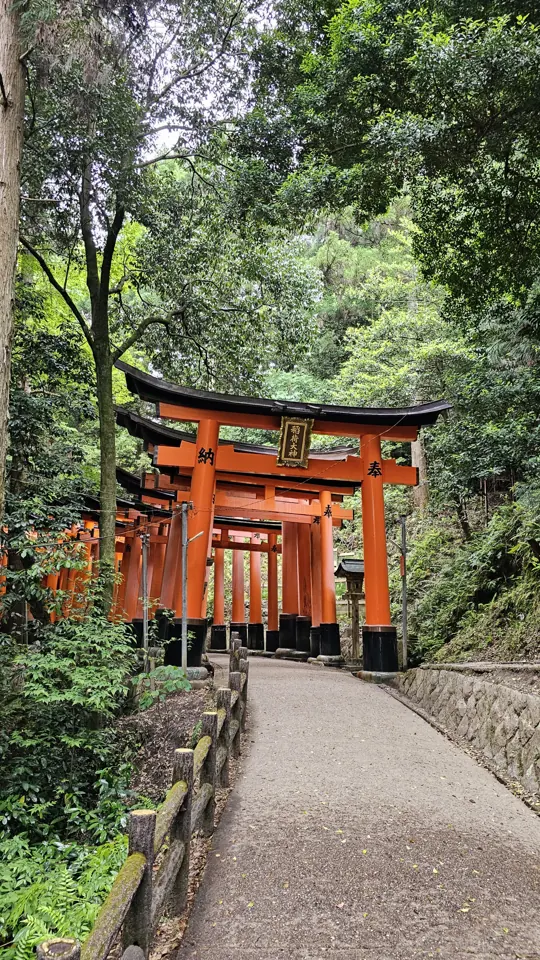
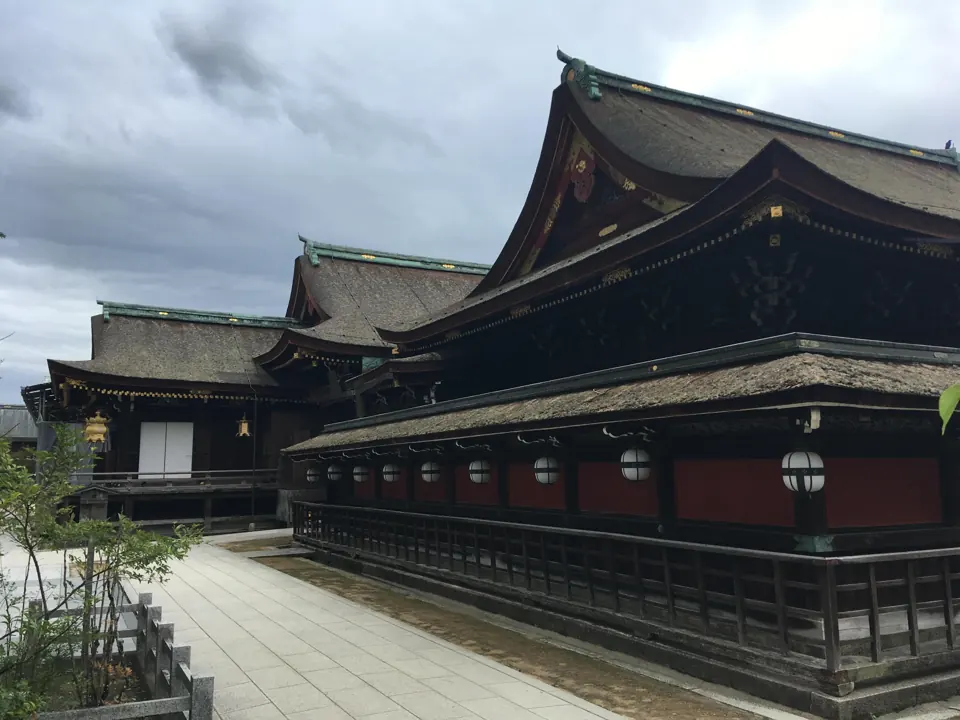
Kyoto’s entries offer different walking scopes: the lower precinct or mountain paths at Fushimi Inari, a visit in Gion at Yasaka Shrine, and the forest approach to Shimogamo. Kitano Tenmangu adds a tradition of prayers for learning. Separate ordinary shrine visits from seasonal gardens and paid special visits when comparing time and fees.
Torii-lined paths · Sacred Inariyama · Fox messengers, not the deity itself
Estimated visit
45–90 min
Lower precinct and an initial section of the torii paths; not a full mountain circuit.
Getting there
JR Inari Station is next to the shrine; the official guide lists a 5-minute train ride from Kyoto Station. From Keihan Fushimi-inari Station, walk about 5 minutes east. These are arrival directions, not time spent walking the mountain paths.
Address & enshrined kami
68 Fukakusa Yabunouchi-cho, Fushimi-ku, Kyoto
Ukanomitama no Okami · Satahiko no Okami · Omiyanome no Okami · Tanaka no Okami · Shino Okami
Colourful carvings on the sanctuary buildings · The front gate associated with Fushimi Castle · The Gokosui water tradition
Estimated visit
25–45 min
Ordinary worship and the main gate and precinct; excludes the stone garden, formal prayers, festival events, queues and station travel.
Getting there
Official access: about 4 minutes from Kintetsu Momoyama-goryomae and 6 minutes from Keihan Fushimi-momoyama. The Gokonomiya-mae bus stop is beside the shrine.
The National Treasure sanctuary complex · Hachiman worship on Mt. Otokoyama · The wooded summit approach
Estimated visit
30–60 min
Ordinary worship and the main summit precinct; excludes cable travel, the climb from the station, formal prayers, special tours and queues.
Getting there
From Keihan Iwashimizu-hachimangu Station, use the cable railway to Hachimangu-sanjo and walk about 5 minutes. Kyoto Prefecture tourism also gives about 30 minutes up the main approach on foot; check current cable operations.
Ordinary precinct worship and walking; excludes special worship, formal prayers, bus travel and queues.
Getting there
City bus 4 from Kyoto Station or Demachiyanagi stops at Kamigamo-jinja-mae, beside the shrine. The official guide gives a 25-minute walk from either Kitaoji or Kitayama Station.
Hand-mirror-shaped ema associated with beauty prayers · The subsidiary-shrine precinct within Shimogamo
Estimated visit
20–40 min
Kawai Shrine worship and a short look at the mirror-ema tradition. Excludes travel from the station, ema preparation or offering queues, Shimogamo’s main shrine, extended forest walks and special paid visits.
Getting there
Kyoto’s official tourism guide lists about 7 minutes on foot from Keihan Demachiyanagi Station, or about 4 minutes from the Shinaoibashi city-bus stop. This is the Kawai Shrine visit, not the longer walk to Shimogamo’s main sanctuary.
Address & enshrined kami
59 Shimogamo Izumigawa-cho, Sakyo-ku, Kyoto
Tamayorihime no Mikoto (identified here in shrine tradition as Emperor Jimmu’s mother)
Lantern-lined main-shrine stairs · Yui no Yashiro and its relationship tradition · The forest setting around the rear shrine
Estimated visit
60–90 min
Ordinary worship at the main, Yui and rear shrines, including walking between them; excludes travel to Kibune, formal prayers and queues.
Getting there
From Eizan Railway Kibuneguchi Station, Kyoto tourism gives about 30 minutes on foot, or a bus to Kibune followed by about 5 minutes walking. Check current bus operations before travelling.
Address & enshrined kami
180 Kurama Kibunecho, Sakyo-ku, Kyoto
Takaokami no Kami (main and rear shrines) · Iwanagahime no Mikoto (Yui no Yashiro)
Brewing traditions associated with sake and other fermented products · Shofuen gardens by Mirei Shigemori, with separate admission · A shrine stop near Hankyu Matsunoo-taisha Station
Estimated visit
30–60 min
Ordinary worship and the main precinct; excludes paid gardens, statue hall, mountain paths, formal prayers, queues and station travel.
Getting there
Kyoto City tourism gives about 3 minutes on foot from Hankyu Matsunoo-taisha Station or the Matsunoo Taisha-mae bus stop.
Black torii made from unpeeled kunugi oak · Saiō and The Tale of Genji traditions · Nonomiya Daikokuten and the Kameishi prayer stone
Estimated visit
15–30 min
An ordinary visit inside the small precinct; excludes bamboo-area walking, formal prayers, queues and station travel.
Getting there
Kyoto’s official school-trip guide gives about 10 minutes on foot from JR Saga-Arashiyama or Randen Arashiyama, and 3 minutes from the Nonomiya bus stop.
Tadasu no Mori forest approach · Romon gate and the shrine precinct · Aioi-sha’s relationship-prayer tradition
Estimated visit
45–90 min
The forest approach and main shrine precinct, excluding a separate visit to Kawai Shrine, special paid visits, formal prayers and queues. When visiting both shrines, do not count shared approach walking twice.
Getting there
The official guide gives a walk of about 12 minutes from Keihan Demachiyanagi Station. City buses stop at Shimogamo-jinja-mae or Tadasu-no-mori-mae; check current routes before travel.
Address & enshrined kami
59 Shimogamo Izumigawa-cho, Sakyo-ku, Kyoto
Kamo Taketsunumi no Mikoto · Tamayorihime no Mikoto
The four main sanctuaries · Daigengu’s distinctive exterior · Subsidiary shrines linked to food and sweets
Estimated visit
35–60 min
Ordinary worship and selected nearby subsidiary precincts; excludes internal special openings, a full Yoshidayama walk, formal prayers, queues and station travel.
Getting there
Official access gives about 20 minutes on foot from Keihan Demachiyanagi or about 5 minutes from the Kyodai Seimon-mae city-bus stop.
Address & enshrined kami
30 Yoshida Kaguraokacho, Sakyo-ku, Kyoto
Takemikazuchi no Mikoto · Ihainushi no Mikoto · Amenokoyane no Mikoto · Himegami