Keep one comparison and one search in this browser. Nothing is saved until you choose Save. Saving again replaces that item. No account, syncing or offline pages; private browsing or clearing site data may remove it.
Nothing saved yet. Select candidates, or set filters in the shrine finder, then save here.
Here, safe travels includes Itsukushima Shrine’s tradition of protection at sea. This is a cultural prayer association, not a safety guarantee. Plan ferries and shore visits using current travel information and local guidance.
Connected wooden shrine buildings from 1915 · Broad curved roofs · The wooded setting at Mount Hakodate’s foot
Estimated visit
25–40 min
Ordinary worship and main precinct buildings; excludes the tram-stop walk, Hekketsuhi monument, formal prayers and queues.
Getting there
Hakodate’s official tourism guide gives about 8 minutes on foot from Yachigashira tram stop. The approach is uphill; walking estimates from other sources differ by route.
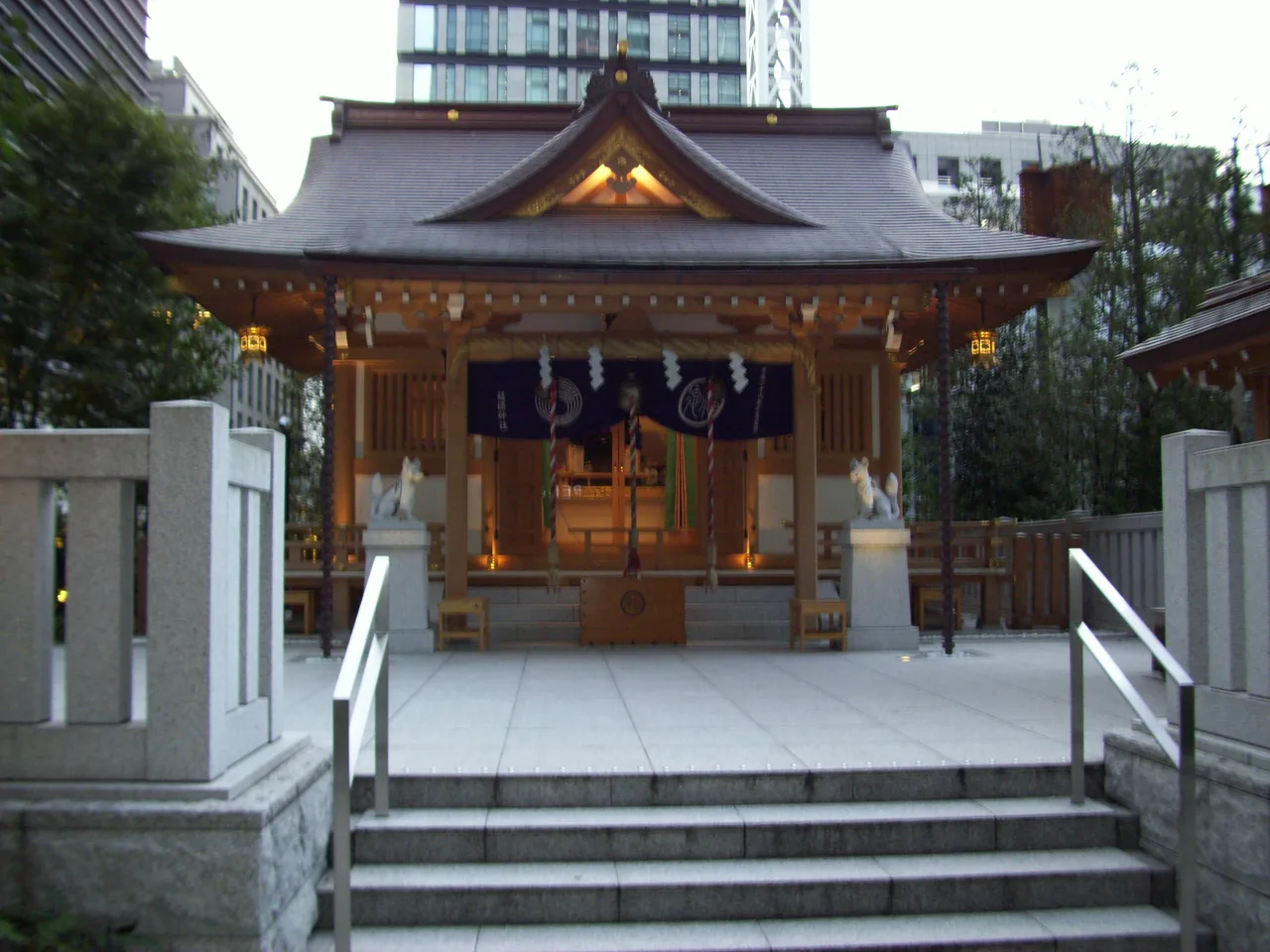
Red torii and shrine amid Nihonbashi’s buildings · Edo lottery and Mebuki Inari traditions
Estimated visit
10–25 min
Ordinary worship and the main precinct walk; excludes travel to the shrine, formal prayers, exhibitions, queues and any mountain hike.
Getting there
About 1 minute from Mitsukoshimae Station exit A6. Shin-Nihombashi Station is another option. The official FAQ describes wheelchair/stroller facilities; check its separate access guide for your station route.
Address & enshrined kami
2-4-14 Nihonbashi-Muromachi, Chuo-ku, Tokyo
Ukanomitama no Mikoto (principal kami) · Ame no Hohi no Mikoto · Onamuchi no Mikoto · Sukunahikona no Mikoto · Kotoshironushi no Mikoto · Mihotsuhime no Mikoto · Ota Dokan · Benzaiten · Tokugawa Ieyasu
Ise-linked worship of Amaterasu and Toyouke · A compact stop near Daimon Station · History under the earlier name Shiba Shinmei-gu
Estimated visit
15–30 min
An ordinary visit and a short look around the precinct; excludes formal prayers, festival crowds and travel from the station.
Getting there
The official guide gives 1 minute on foot from Daimon Station exit A6, 5 minutes from Hamamatsucho Station north exit, or 5 minutes from Onarimon Station exit A2.
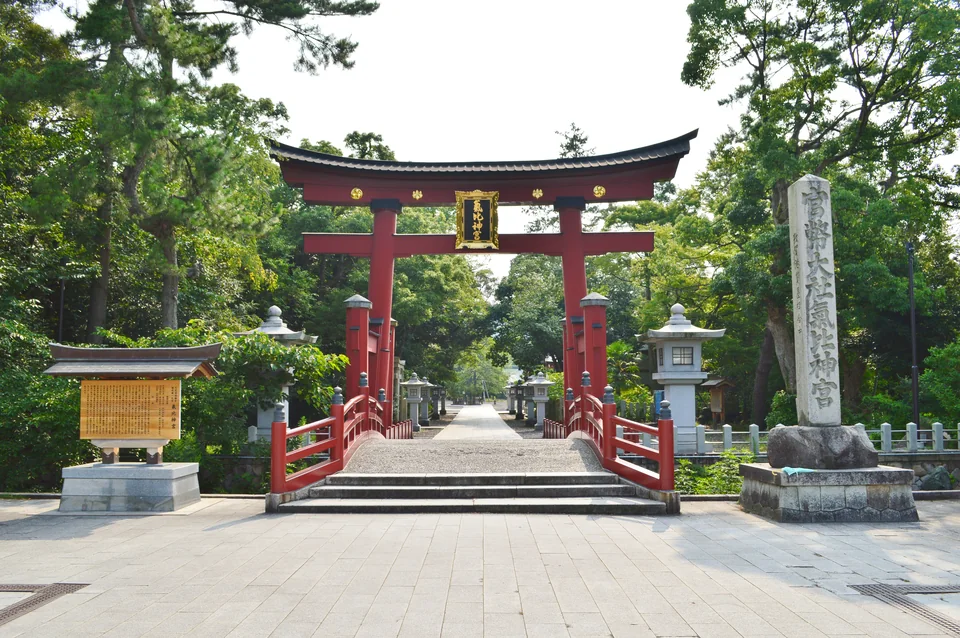
Historic great torii · Traditions of longevity prayers · A precinct accessible from Tsuruga Station
Estimated visit
20–40 min
Ordinary worship from the great torii to the main buildings; excludes transport, city sightseeing, counter queues and formal prayers.
Getting there
The official guide gives about 15 minutes on foot from JR Tsuruga Station or roughly five minutes by bus to Kehi Jingu-mae. Check waiting times and services separately.
Onbashira pillars marking the shrine precinct · The covered Nunobashi approach · Historic halls and gates, subject to restoration restrictions
Estimated visit
30–50 min
Ordinary worship and a short walk in accessible parts of Kamisha Hongu during restoration; excludes restricted areas, the other three sites, station travel, Treasure Hall, formal prayers and queues.
Getting there
Chino tourism lists about 45 minutes on foot from JR Chino Station. Check local transport or a taxi separately if that walk does not suit your itinerary; the shrine visit allowance excludes station travel.
Lake Biwa torii seen from the precinct · Designated main sanctuary · Lake views from the Aiko Shirahigedai platform
Estimated visit
15–30 min
Ordinary worship and a view of the lake torii from the precinct platform; excludes transport, prayers and counter queues, and does not involve crossing the highway.
Getting there
Shiga’s official tourism guide gives about five minutes by car from Omi-Takashima Station. Plan station transfers separately; do not assume roadside walking or crossing the highway is safe.
Four main sanctuaries in the Sumiyoshi-zukuri style · The arched Sorihashi bridge · A shrine approach served by both trains and trams
Estimated visit
30–60 min
Ordinary worship and a look at the four main sanctuaries and main precinct; excludes extended subsidiary-shrine routes, formal prayers, queues and station travel.
Getting there
Official access: about 3 minutes east from Nankai Sumiyoshi-taisha Station, 5 minutes west from Nankai Sumiyoshi-higashi, or immediately by Hankai’s Sumiyoshi-toriimae tram stop.
Address & enshrined kami
2-9-89 Sumiyoshi, Sumiyoshi-ku, Osaka
Sokotsutsu no Mikoto · Nakatsutsu no Mikoto · Uwatsutsu no Mikoto · Empress Jingu
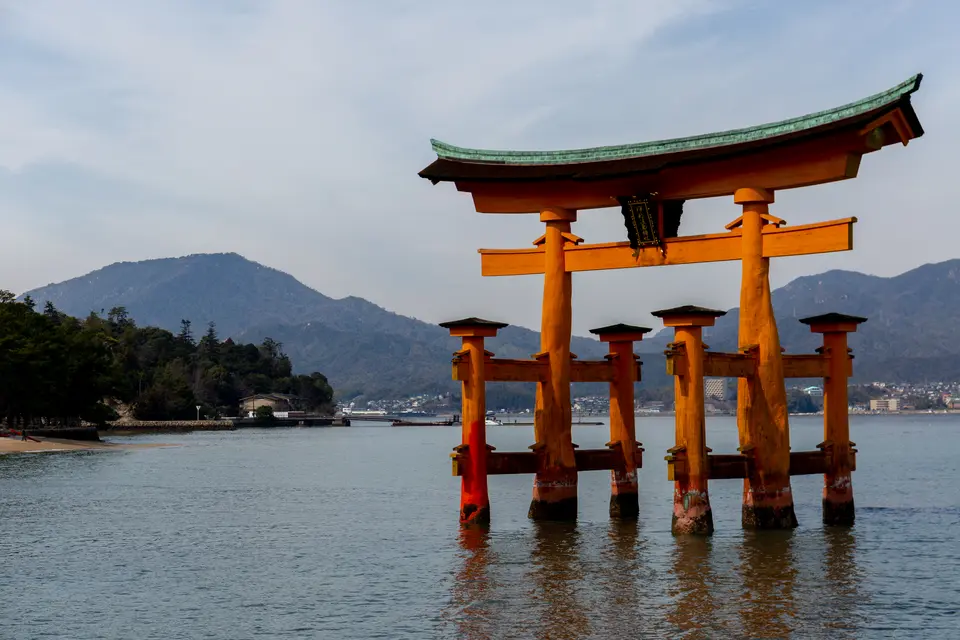
Great torii on the waterfront · Covered corridors · Views shaped by the tides
Estimated visit
30–60 min
Shrine corridors and nearby torii views; excludes the ferry and other island attractions.
Getting there
From Miyajimaguchi pier, the official guide gives a ferry crossing of about 10 minutes to Miyajima pier. Continue on foot to the shrine. Allow separate time for reaching the pier, waiting, and the island walk; the crossing time is not the full journey.
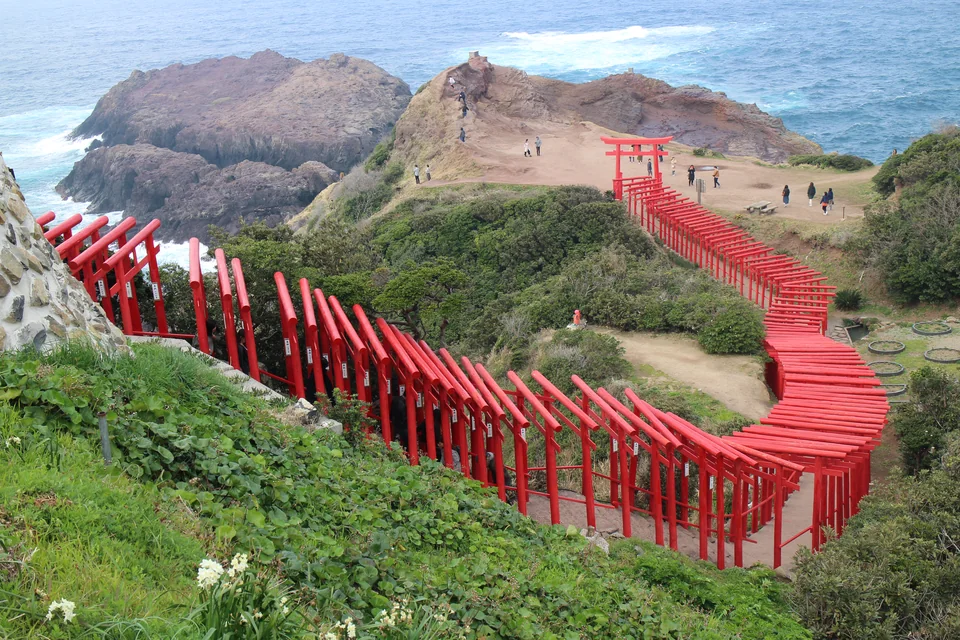
Coastal torii views; passage currently suspended · White-fox foundation tradition · Check weekend closures and repairs before travelling
Estimated visit
15–30 min
A short visit to permitted viewpoints on an open day; excludes the closed torii passage, coast walks, transport and parking queues.
Getting there
The prefectural guide lists taxi journeys of about 20 minutes from Nagato-Furuichi or Hitomaru stations, or 40 minutes from Nagatoshi Station. This is not a promise of ordinary bus access. Check visit suspensions first.
Address & enshrined kami
498 Tsuo, Yuya, Nagato, Yamaguchi
White-fox worship tradition; specific named kami not established in checked official sources
The 785-step approach to the main shrine · Historic buildings along the ascent · Views across the Sanuki Plain
Estimated visit
100–150 min
From step 1 to the main shrine at step 785, ordinary worship and return downhill; excludes station travel, the inner shrine at step 1,368, museums, meals, formal prayers and queues.
Getting there
Kagawa tourism lists about 20 minutes from JR Kotohira Station or 15 minutes from Kotoden Kotohira Station to the foot of the steps. The shrine then advises about one hour uphill from step 1 to the main shrine at step 785.
The sacred camphor tree in the precinct · Historic main and worship halls · Optional armour and sword displays in the paid Treasure Hall
Estimated visit
30–50 min
Ordinary worship and a short walk around the camphor tree and main precinct; excludes island transport, treasure and maritime museums, mountain trails, formal prayers and queues.
Getting there
The official guide lists buses from JR Imabari Station to Oyamazumi Jinja-mae taking about 65 minutes. From the Honshu side, transfer at Omishima bus stop to a Miyaura-bound local bus, about 12 minutes. Check current departures and the return journey; this is an island destination.
The stepped approach and shrine buildings · Local Nagasaki shrine traditions
Estimated visit
30–50 min
Ordinary worship and the main stepped precinct; excludes festival performances, prayers, transport and queues.
Getting there
Take a tram to Suwa Jinja stop, then use the underpass to reach the shrine approach as directed by the official site. Nagasaki tourism gives about 5 minutes on foot from the stop; the approach includes steps.
Address & enshrined kami
18-15 Kaminishiyama-machi, Nagasaki, Nagasaki
Takeminakata no Kami · Yasakatome no Kami · Izanagi no Kami · Izanami no Kami · The three Sumiyoshi kami
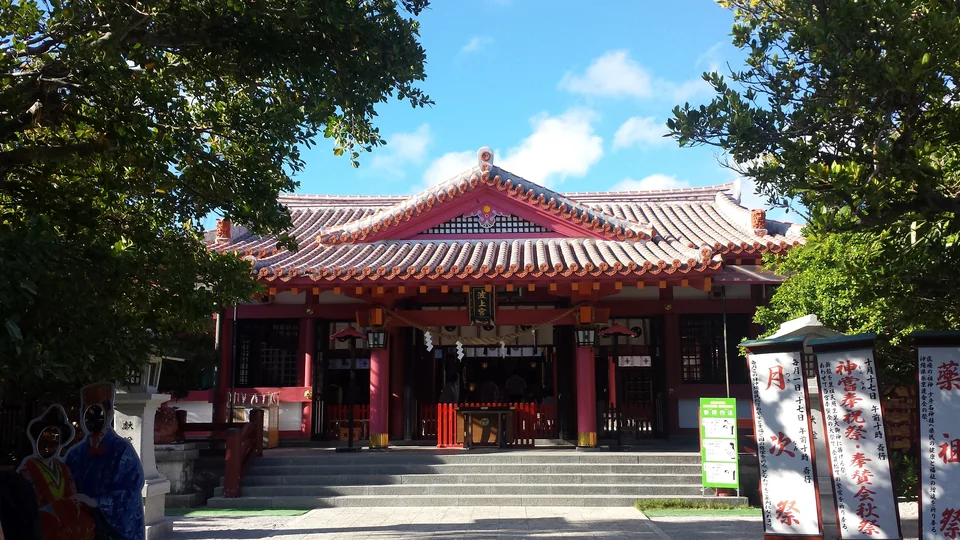
Shrine buildings above the coast · Ryukyu and Kumano worship traditions · A shrine visit within Naha
Estimated visit
20–40 min
Ordinary worship and exterior views within the precinct; excludes the beach, bridge viewpoints, transport, formal prayers and counter queues.
Getting there
The official guide gives about 15 minutes on foot from Asahibashi Station on the Yui Rail monorail. Airport travel and waiting time are separate from the shrine visit.
Address & enshrined kami
1-25-11 Wakasa, Naha, Okinawa
Izanami no Mikoto · Hayatamao no Mikoto · Kotosakao no Mikoto