Keep one comparison and one search in this browser. Nothing is saved until you choose Save. Saving again replaces that item. No account, syncing or offline pages; private browsing or clearing site data may remove it.
Nothing saved yet. Select candidates, or set filters in the shrine finder, then save here.
Compare the visit scope, transport notes and prayer traditions of the shrines currently listed here. This is a selected guide, not a complete regional directory.
Kasuga Taisha and Himuro Shrine can be considered for a Nara Park-area visit, while Kashihara Jingu requires a separate journey to Kashihara. Compare the lantern-lined approach, ice-storage traditions and a spacious shrine precinct. Walking allowances exclude travel between cities and paid special visits. Tenkawa Daibenzaitensha is a separate mountain-village trip with infrequent buses, rather than part of a central Nara walking circuit. Omiwa Shrine is in Sakurai, south of Nara city; its main precinct visit does not include climbing sacred Mount Miwa.
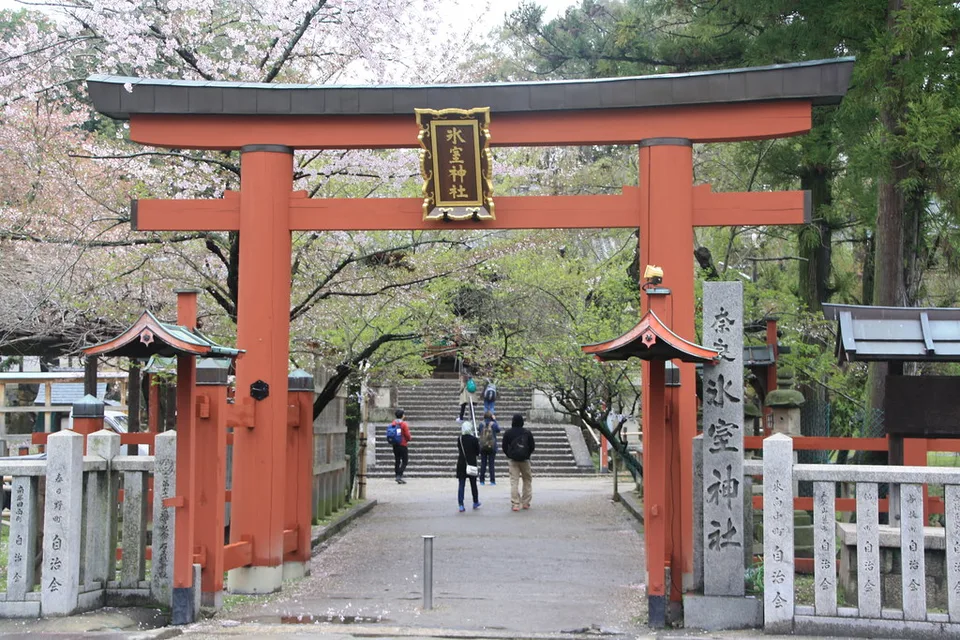
A shrine tradition connected to stored ice · The precinct facing the Nara National Museum · Ice fortune slips, subject to current availability
Estimated visit
15–30 min
Ordinary worship and the main precinct; excludes performances, formal prayers, queues and station travel.
Getting there
The official guide gives about 15 minutes east on foot from Kintetsu Nara Station. Buses stop at Himurojinja / Kokuritsu Hakubutsukan-mae, beside the museum.
Address & enshrined kami
1-4 Kasuganocho, Nara
Osasagi no Mikoto · Tsuge no Inagi Oyamanushi no Mikoto · Nukata no Onakatsuhiko no Mikoto
Vermilion shrine buildings · Stone lanterns along the approach and hanging lanterns by the buildings · A choice between ordinary worship and paid special worship
Estimated visit
45–90 min
The main approach and ordinary main-shrine worship; excludes paid special worship, museum, garden, other temples, queues and travel from the station.
Getting there
The official guide gives about 25 minutes on foot from Kintetsu Nara. From JR or Kintetsu Nara, take a bus to Kasuga Taisha Honden; a different loop-bus stop, Kasuga Taisha Omotesando, requires a further 10-minute walk.
Address & enshrined kami
160 Kasuganocho, Nara City, Nara
Takemikazuchi no Mikoto · Futsunushi no Mikoto · Amenokoyane no Mikoto · Himegami
Worship directed towards Mount Miwa · Important Cultural Property worship hall · Wooded approach and sake-brewing traditions
Estimated visit
30–60 min
Ordinary worship and the main precinct walk; excludes transport, formal prayers, exhibitions, queues and mountain hikes.
Getting there
Nara Prefecture's travel guide gives about 5 minutes on foot from JR Miwa Station. The shrine announced the end of regular Sakurai–shrine bus services in March 2026; plan by rail and walking, checking any special-event buses separately.
Benzaiten and performing-arts traditions · The distinctive Isuzu ritual bell · Shrine and village landscape
Estimated visit
20–40 min
Ordinary worship and the main precinct walk; excludes travel to the shrine, formal prayers, exhibitions, queues and any mountain hike.
Getting there
From Shimoichiguchi Station, the shrine describes about one hour by bus towards Nakaiozumi to Tenkawa Daibenzaitensha, or a bus to Tenkawa Kawai followed by about 30 minutes on foot. Services are infrequent; check the return timetable.
Address & enshrined kami
107 Tsubonouchi, Tenkawa, Yoshino-gun, Nara
Ichikishimahime no Mikoto (also worshipped as Benzaiten) · Kumano ni Imasu Okami · Yoshino ni Imasu Okami · Spirits of four Southern Court emperors · One hundred kami, beginning with Ame no Minakanushi